
Inside Rockstar's Dark Period Making GTA 6: 4,700 Staff, Internal Friction, Dismissals, Overtime, and Leaks
How GTA 6's long development reshaped Rockstar, from Project Americas and its two protagonists to delays, workforce growth, crunch, leaks, and a union dispute.
Oct 15, 2026
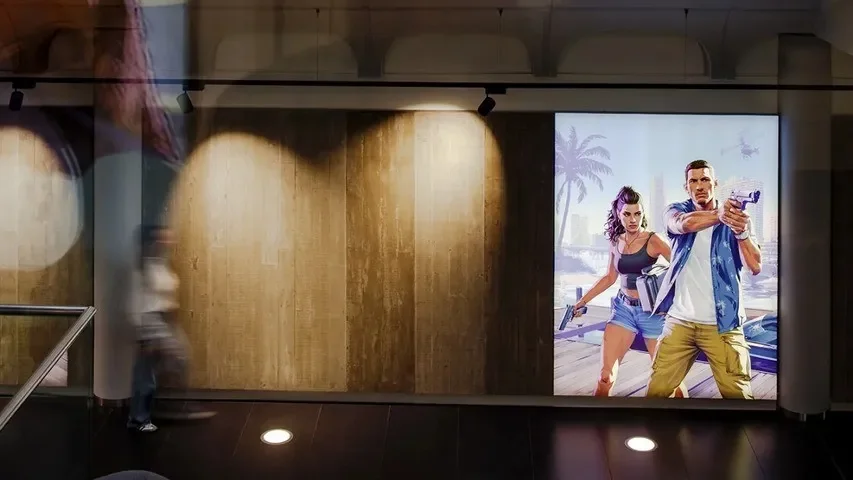
Thirty years of work have led to this moment
Bloomberg recently published an in-depth feature on the development of GTA 6. Games journalist Jason Schreier visited Rockstar North in Edinburgh, Scotland, and interviewed several senior executives. The report explores the game's development history, its difficult early years, the reasons for its delays, and the changes taking place inside Rockstar, addressing questions that matter to both players and the wider industry.
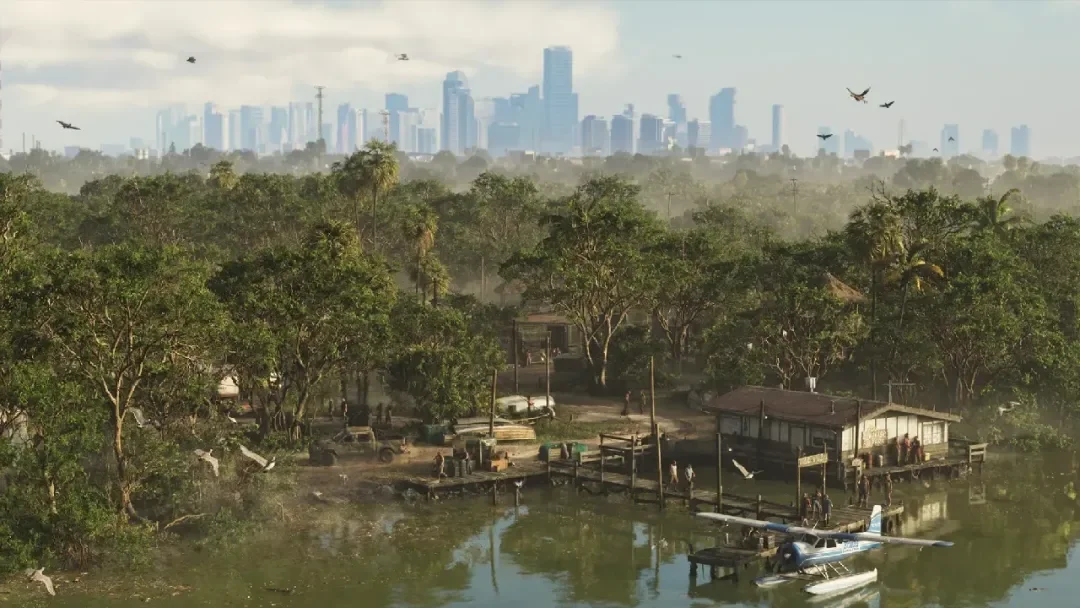
According to the report, GTA 6 was originally known internally as Project Americas because the initial plan encompassed large areas of North and South America. The team first visited Miami for research back in 2015. As development plans changed, the scope was eventually narrowed to Miami and its surrounding areas.
Asked why GTA 6 has taken so long, Rockstar North studio head and GTA 6 development director Rob Nelson pointed primarily to the development of Red Dead Redemption 2. As that game's scope and ambitions grew, Rockstar had to bring in most of its workforce, pushing the GTA 6 schedule back by several years.
It was not until 2019 that the outline of Jason and Lucia's story began to take shape. Yet the broader design remained difficult to pin down, particularly the question of how closely this fictional Miami should resemble real life. Nelson offered buying beer as an example: he and the other creative leads repeatedly debated whether players should have to walk to a store's refrigerator, pick up the beer, carry it to the counter, and pay for it manually.
The pandemic subsequently shut down motion-capture studios. Changes in personnel and working practices also contributed to GTA 6's long development.
After Red Dead Redemption 2, several senior figures left, including Rockstar co-founder Dan Houser, who had served as lead writer on most of the company's games. Nelson, Aaron Garbut, and Phil Hooker came to share the title of development director, an unusual arrangement in game development.
Alongside those departures, Rockstar's workforce grew rapidly, from 2,441 employees in 2018 to 4,711 at the time of the report. That expansion created communication problems. Even with substantially more staff, many parts of the game were not ready on schedule. Hooker said the team had still been changing content in recent months, contributing to the delays.
Nelson cited NPCs as an example. After assessing how many non-player characters needed to be written and produced, the team realized it could not finish them on time. Rockstar therefore established a studio in Los Angeles dedicated to making NPCs. As Hooker put it: “We could have met that schedule, but it wouldn't have been the game we wanted to make.”
Rockstar's working methods have also changed. Nelson said that different offices once developed several games in parallel; today, most of the company's workforce concentrates on a single major project. Its workplace culture, hours, and management practices have changed too, while leaks have prompted further changes to how the company operates.
Despite GTA 6's early difficulties, Nelson, Garbut, and Hooker all said they believed they would succeed. They have spent years making games and know how to bring one to market.
They see the game as the culmination of a lifetime of experience. “The past 30 years have been practice for getting to this point,” Garbut said. “The team, and each of us individually, have been doing this for so long that we've developed a shared understanding, shared knowledge, and shortcuts for answering questions.”
Rockstar has not disclosed the budget, but it rejected the rumor of a $1.5 billion price tag. Its leaders also described GTA 6 as another step in that accumulated experience: they expect to build new content more quickly on these foundations, rather than spend another eight years on the next step for GTA.
Behind the scenes of GTA 6
If the video-game industry had an annual high-school yearbook, the forthcoming Grand Theft Auto 6 would surely collect a long list of superlatives: most expensive game ever, largest development team, most likely to shock television news anchors, best at holding your hand while you commit crimes, widest range of body types, angriest pedestrians, most realistic sweat, and greatest number of “research” trips to Miami Beach.
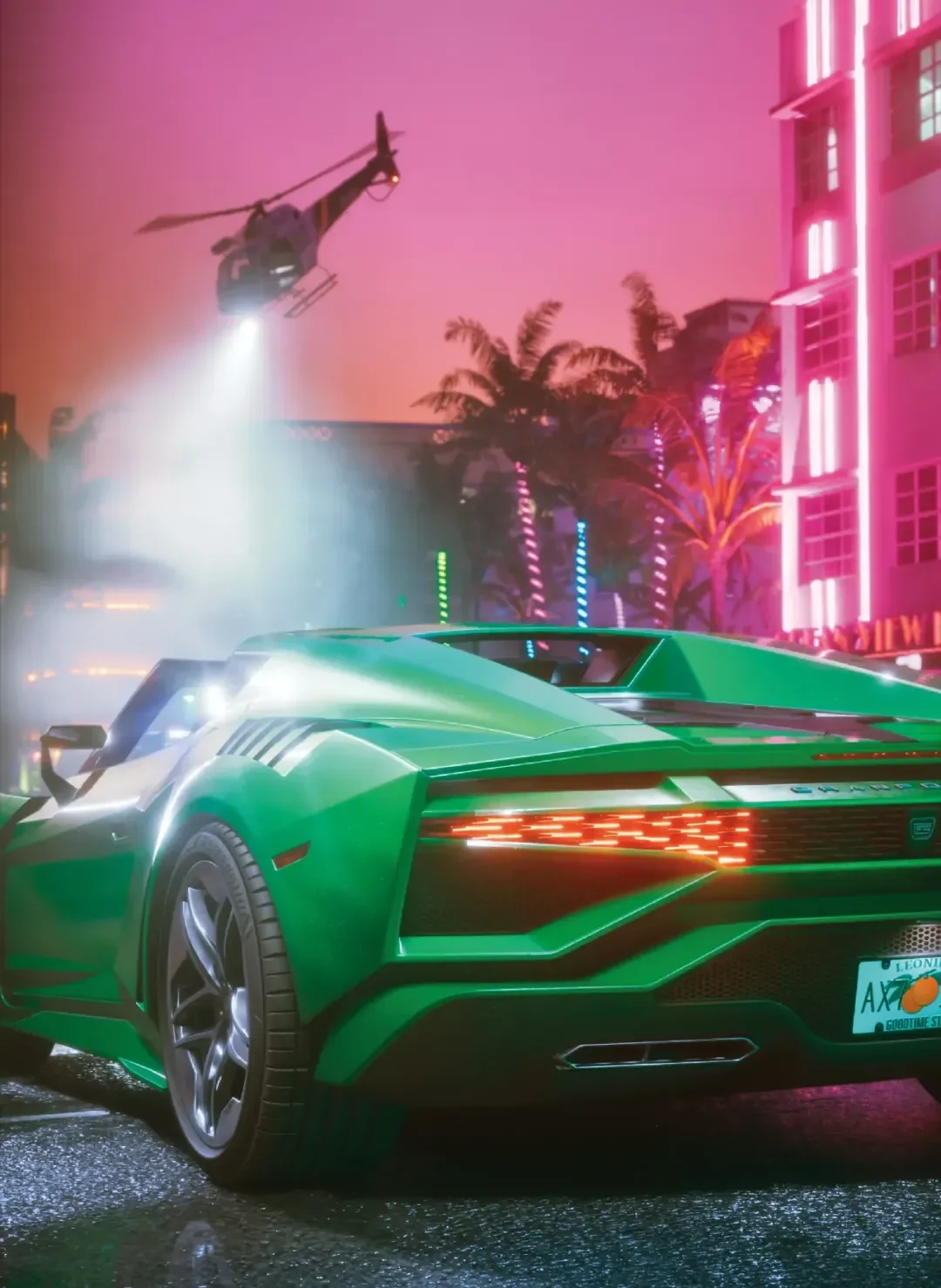
To build GTA 6's vast world, employees at developer Rockstar Games made repeated visits to Miami, the real-world inspiration for the fictional Vice City. They accompanied police into high-crime neighborhoods, filmed from helicopters, and moved among dancers at the city's hottest nightclubs, all to assess the lighting.
Leading artist Aaron Garbut said that designing a nightclub for an ordinary video game might mean generating a few NPCs in differently colored shirts. In GTA 6, it means individually animating and scripting every customer, designing drinks, adding music, creating lighting, synchronizing that lighting with the music, and completing all the other “layers of detail” that make a virtual nightclub feel as real as possible.
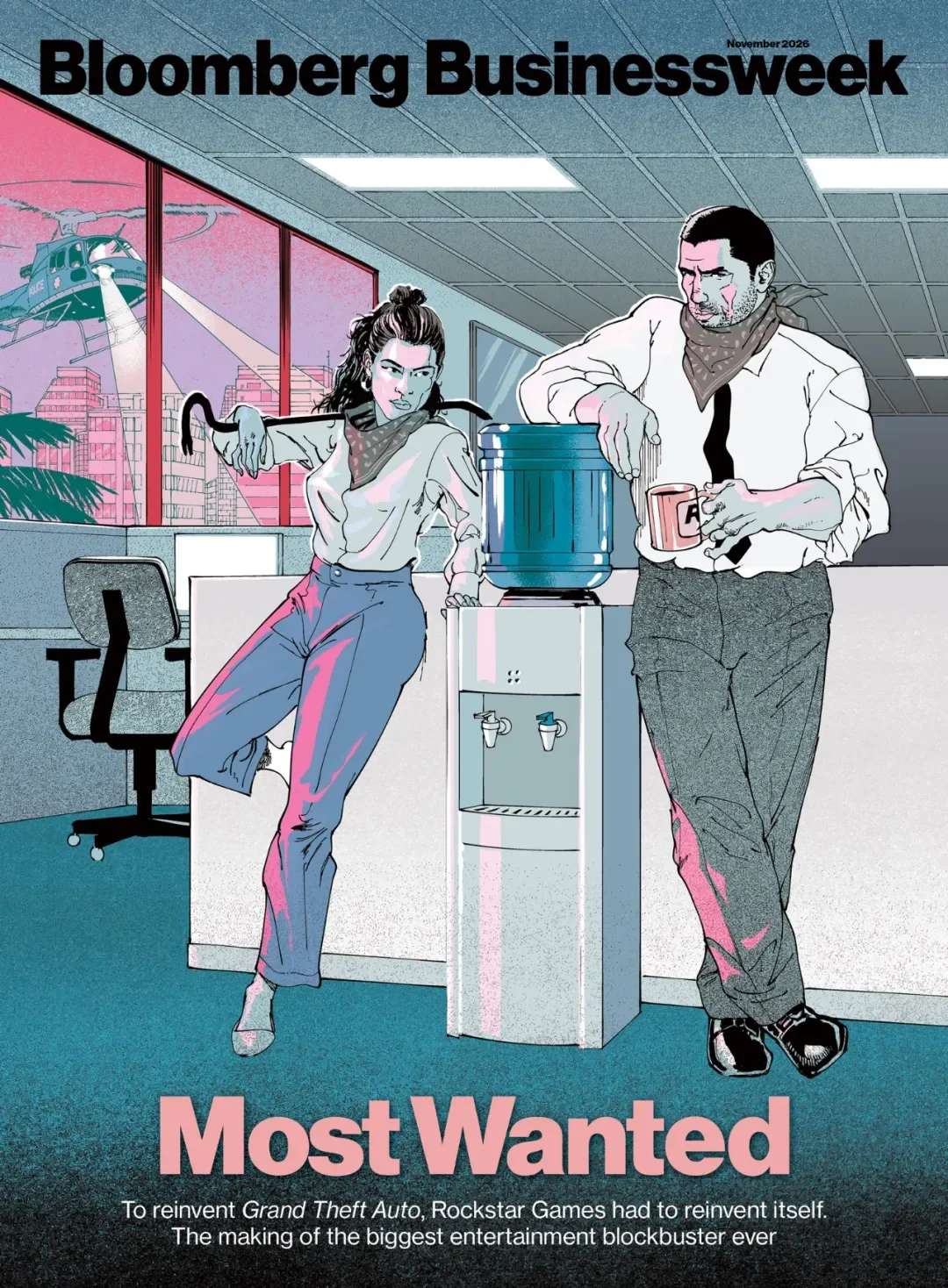
Featured in the November 2026 issue of Bloomberg Businessweek.
“Now you understand why it's taken so long,” said Rockstar's head of publishing, Jennifer Kolbe. She was speaking at the Edinburgh office during an extensive, daylong interview attended by several other senior executives. It was Rockstar's first public discussion of the development challenges behind its biggest, and perhaps most important, video game yet.
Rockstar has more than a dozen offices worldwide, but its center of power, Rockstar North, is in Scotland's capital, Edinburgh. With its castles and cobbled streets, the city is almost the opposite of Miami. Rockstar North occupies a modern three-story building that once housed the headquarters of The Scotsman newspaper.
Screens in the atrium display GTA 6 character artwork, while the executive offices look out over dramatic nearby cliffs. On a sunny day in late September, the building was full of employees fixing bugs ahead of release. Their monitors displayed mosaics of red and green blocks tracking progress. Green was gradually overtaking red, an encouraging sign. Perhaps the game would not be delayed again.
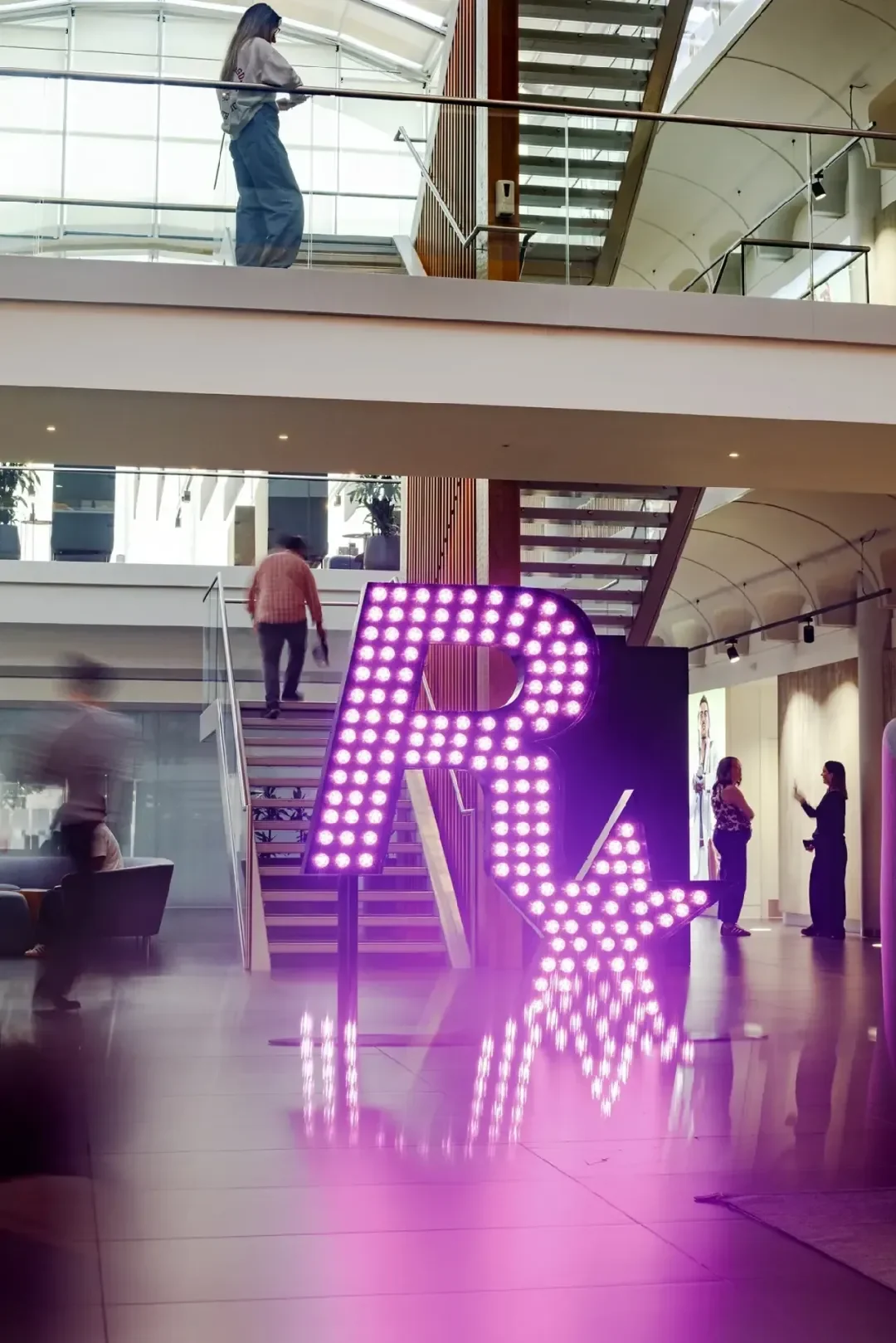

Inside Rockstar North's Edinburgh office.
Fans are desperate for any scrap of GTA 6 news. Some gather near Rockstar North's offices and even count late-night pizza deliveries to guess whether a development milestone is approaching. As in a GTA game, security moves them along if they linger too long. Rockstar's obsession with secrecy is familiar even to industry peers. At the Marriott breakfast buffet across the street, visitors wearing clothing from other game companies were friendly but unwilling to admit they were visiting the studio. “Looks like everyone's here for sightseeing,” the reporter joked. Even Edinburgh taxi drivers are known for trying to extract game news from Rockstar employees.
GTA 6 is scheduled for November 19 and is expected to become one of the largest entertainment releases in history. Its predecessor has sold 230 million copies and is described in the report as the bestselling non-mobile game of all time. Its first trailer has attracted almost 300 million YouTube views, breaking multiple records.
A recent gameplay showcase on Netflix even beat a new Robert De Niro film to become the platform's most-watched title in its launch week. Other entertainment companies have scheduled releases around the open-world crime game, in some cases postponing them until next year. They know GTA 6 will command much of the world's attention throughout November. NBA player Steven Adams recently joked that professional sports leagues would all see their “performance drop” after the game launches.
Some analysts expect the next GTA to sell 40 million copies on PlayStation and Xbox and generate more than $3 billion in its first four months. Rockstar will not disclose the production budget, although Kolbe rejected a widely circulated rumor that it exceeded the $1.5 billion needed to build Dubai's Burj Khalifa. Given the time and manpower involved, the report nevertheless considers it almost certainly the most expensive video game ever made. The developers have not yet discussed the planned online mode, which the report expects in 2027. The current GTA Online is estimated to generate about $500 million annually and is one of the most important products for Rockstar's parent company, Take-Two Interactive Software.
The pressure on Rockstar is enormous, and the company has changed profoundly during GTA 6's production. The game has taken more than eight years, including two delays and what development director Rob Nelson called “a dark period,” when its overall creative vision remained unclear.
Making the game meant adapting to a new reality without some key employees and turning Rockstar into a different company: nearly twice as large, and trying to avoid repeating past mistakes. When Rockstar released its previous major game, Red Dead Redemption 2, it had 2,441 employees. Its workforce has since grown to 4,711 across 12 offices, far beyond its competitors. Along the way, employees have faced crises ranging from a reckoning over work-life balance and a series of disastrous leaks to accusations of union busting after the company dismissed 34 employees over alleged misconduct.
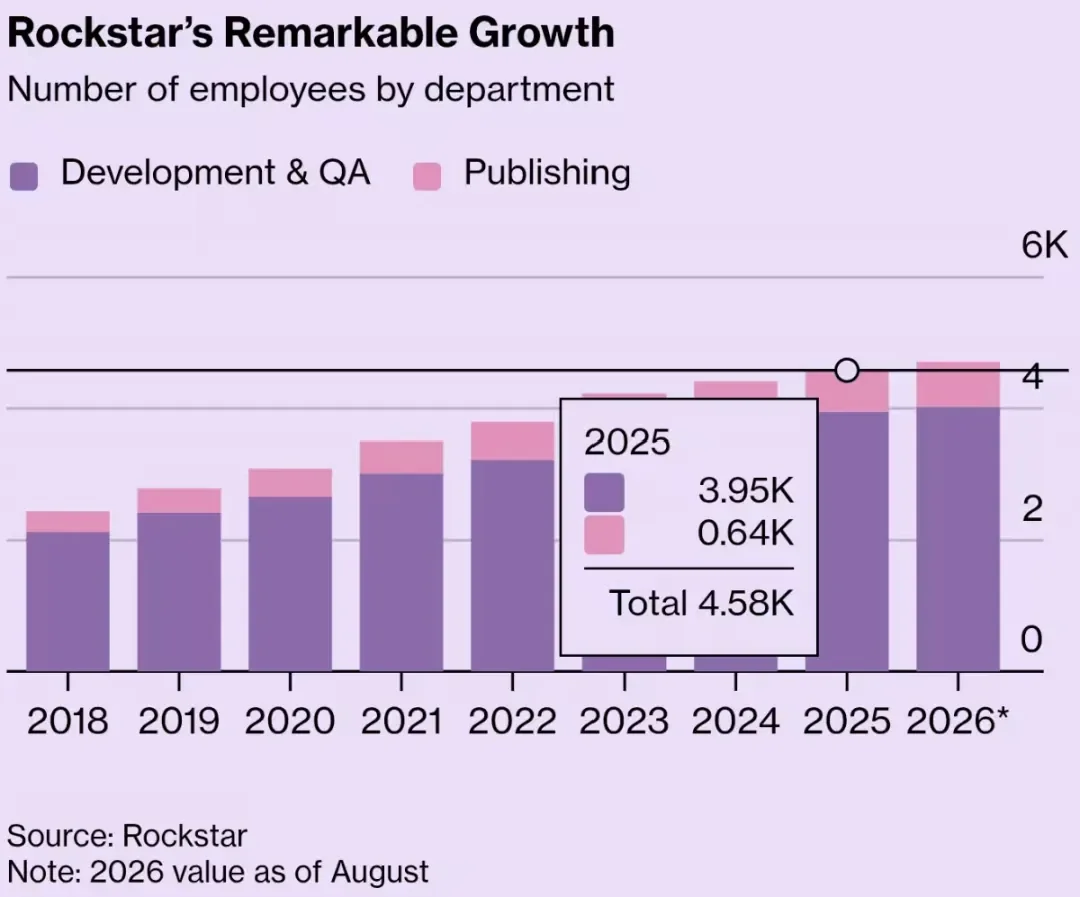
Note: the 2026 figures are current as of August.
Then there is the game itself. Rockstar's titles are consistently acclaimed but can differ sharply in tone. GTA 5 arrived in 2013, early in Barack Obama's second term, and its embrace of nihilism served as a reaction against the earnestness of the era.
Five years later, Red Dead Redemption 2 told a much more complex story. It emphasized realism, sometimes at the expense of fun. GTA 6 tries to strike a balance between the two, while appearing to draw more inspiration from the latter. You can still throw $20 bills at strippers or fire into crowds of pedestrians, but the game also wants you to empathize with its two Bonnie-and-Clyde-inspired protagonists.
Rockstar's modern games have been trying to grow up, and so has Rockstar itself. If you subscribe to the theory that all art is really about the process of its own creation, there is plenty of evidence here. A line spoken by one protagonist in the first GTA 6 trailer sounds as though it could have come straight from an internal email during the company's early development struggles: “The only way we're going to get through this is by sticking together. Being a team.”
From Project Americas to three development directors
In 2015, Nelson and a group of senior employees first flew to Miami for research. They set ambitious goals for GTA 6 and gave it the codename Project Americas, reflecting an initial plan to cover large parts of North and South America. The scope was later reduced to Miami and the surrounding area. They hoped to develop it alongside Red Dead Redemption 2, which was being led by the San Diego office.
As that game's ambitions expanded, Nelson realized he needed most of Rockstar's resources, including senior management, to help. GTA 6 would have to wait several years, but the benefit, he said, was that none of the work and experience gained in the meantime would be wasted. Rockstar once had different offices developing several games at once; now, most employees would focus on one project at a time.
After Red Dead Redemption 2, several senior employees left, including Rockstar co-founder Dan Houser, the lead writer on most of its games. Nelson's responsibilities consequently expanded. He and fellow veterans Phil Hooker and Aaron Garbut all received the title of development director to reflect their oversight roles. Nelson and Garbut also serve as studio heads in Edinburgh. It is an unusual structure in video games, where a single producer more commonly has overall responsibility.
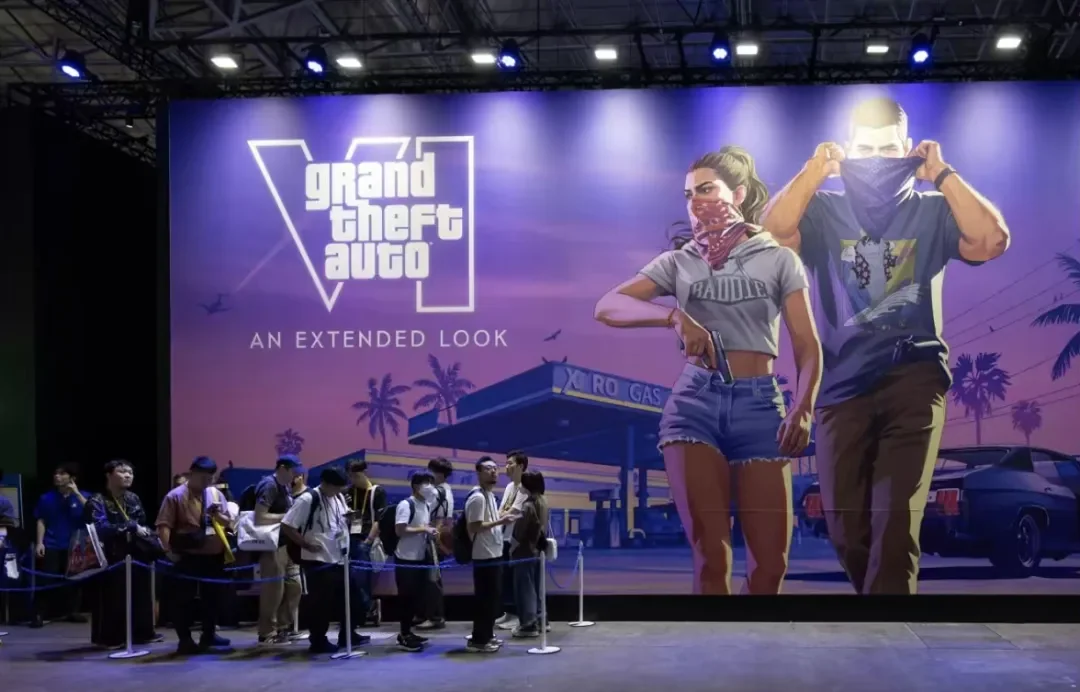
The three directors said their daily work had changed little: they still supervised teams and filled gaps as they had on the previous game. But some employees complained of “too many cooks,” citing slow decisions and conflicting visions. “Nobody has actually said to me directly, ‘It's really annoying having the three of you making decisions together,’” Nelson said. “But I know people have said it.” He added that the same problems could arise with one director: “They might be slow to make decisions, or keep changing their mind.”
By the end of 2019, the leadership team had settled on the story's framework: a criminal couple, Jason Duval and Lucia Caminos, would rob their way through the underworld of a fictional Miami. But establishing GTA 6's other fundamentals took the three directors much longer. Some things were obvious: like earlier GTA games, it would be a satirical open-world action game in which players could steal cars and exchange gunfire with police and criminals. The broader design was harder to define. How closely should this fictional Miami mirror reality?
Most video games sacrifice realistic detail for fun and convenience. To buy a case of beer, you select an item and press a button. But with GTA 6's visual fidelity and detailed systems, a bottle simply materializing in a character's hand would look unnatural.
Nelson said he and the other creative leads repeatedly debated whether players should have to walk to the store refrigerator, pick up the beer, carry it to the counter, and pay manually. At what point would that stop being fun? To make a sandwich that boosts your stats in your apartment, should you have to buy ingredients at a grocery store, or could you simply prepare it? With so much of the game unfinished, every decision involved considerable guesswork.
While Nelson, Garbut, and Hooker tried to determine what GTA 6 should be, the company encountered further obstacles. The pandemic left everyone working from home for months, reduced productivity across the industry, and forced Rockstar's motion-capture studios to shut down completely. Extensive hiring made internal communication harder. Some veteran designers, frustrated by the lack of progress, left.
“Keeping a team together in those circumstances is really difficult,” Nelson said. “I can imagine what it would feel like to be sitting in a studio, looking at this thing day after day, seeing that it still isn't coming together, and starting to wonder, ‘Is it ever going to?’” What everyone needed, he said, was trust and faith, just like Jason and Lucia. “It's okay,” he said. “We'll get through it.”
Making Jason and Lucia feel like a couple
By 2022, Rockstar had completed enough pieces of GTA 6 that, if you squinted, you could almost see the whole picture. “It's a very familiar feeling,” Hooker said. “You go through a period when nothing works, but you can see pieces of it.” Many decisions remained unresolved. Part of GTA's appeal is that each installment contains enough material for several games, from daring robberies to barbell squats.
For GTA 6, Nelson and the other directors wanted the two protagonists to be able to do everything together in the open world. That required sophisticated artificial intelligence, in the traditional game-development sense rather than ChatGPT, and a host of complex problems that would take years to solve. “Taking that on is certainly daunting,” Nelson said. “But there were people insisting, ‘We need this. It's a game about a couple. They have to feel like a couple.’ So we had to keep going.”
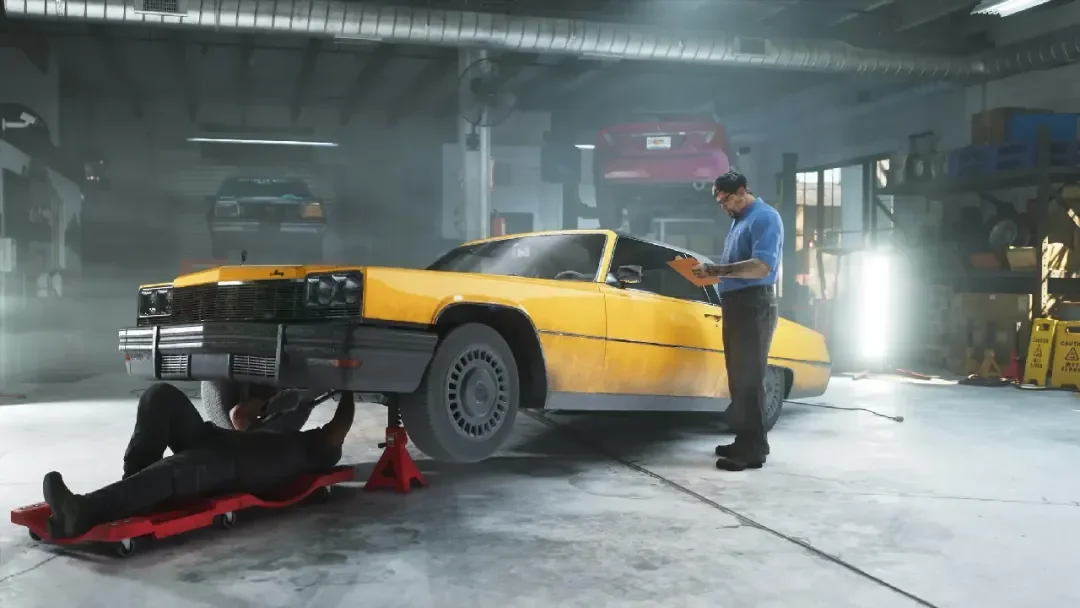
Once the system came together, it became one of GTA 6's most exciting innovations. Playing as Jason, you can text Lucia to ask whether she wants to meet. Minutes later, they might be walking hand in hand through a park, remembering why Lucia's mother once lost her temper with Jason. They can then go to the gym together, with Lucia running while Jason does squats, rob a store, and get chased by police, flirting and bickering throughout. Watching the two characters interact adds another layer to the immersive systems inherited from Rockstar's earlier games.
The impact of the leaks
Then, in September of that year, just as the game was taking shape, Rockstar employees woke to some of the worst news they could imagine. Someone had gained access to the company's Slack channels through a phishing attack and leaked dozens of raw, unfinished GTA 6 gameplay videos. No amount of copyright complaints could contain the fallout.
Commentators speculated that it might be the biggest leak in entertainment history. Fans complained on social media that the game looked choppy and incomplete, missing an obvious point: an unfinished game will, naturally, look unfinished.
“It feels like someone is going through your dirty laundry,” Garbut said. “As though they've got inside your head. You see your early work out there. Nobody was supposed to see that. It's a very strange, very intrusive feeling, so it's emotionally difficult to deal with.” Rockstar addressed the leak on social media, and law enforcement eventually identified the suspected hacker, but lasting damage had been done. The company would soon introduce one of its most controversial employment policies, potentially jeopardizing much of the cultural progress made since its previous major release.
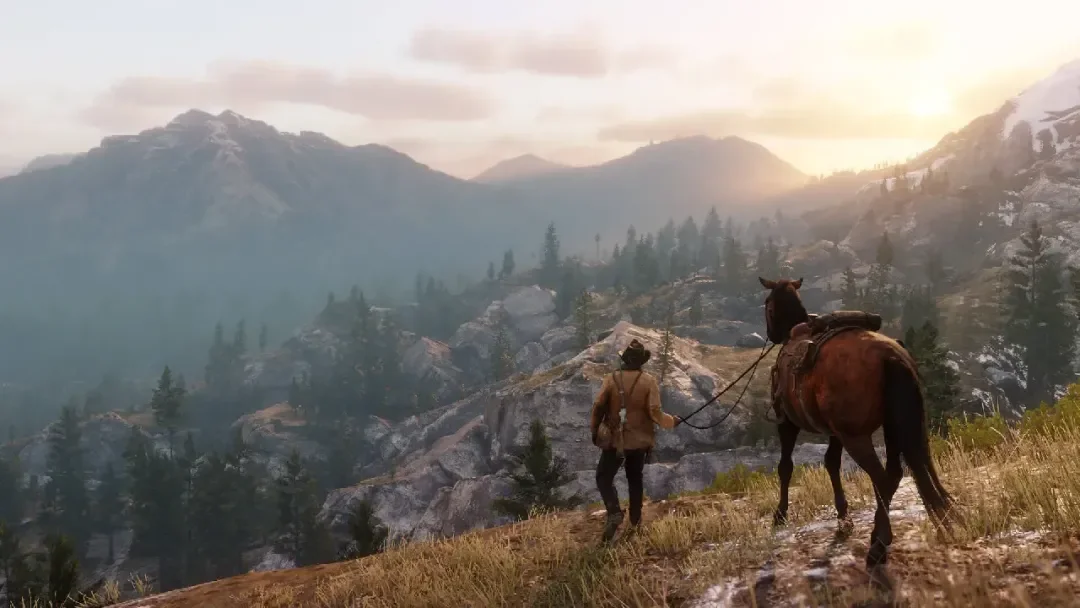
Rockstar's previous major release, Red Dead Redemption 2, launched in 2018.
Overtime, crunch, and the return to the office
After its October 2018 release, Red Dead Redemption 2 became a flashpoint for discussions of work-life balance inside Rockstar. Building its vast, detailed world required developers to work long hours, staying late and working weekends for extended periods, a practice the industry calls “crunch.” For many employees, Red Dead Redemption 2 was an improvement over earlier projects, but it still meant months of 60-hour working weeks.
Even before the public controversy, developing Red Dead Redemption 2 had “become an important moment for Rockstar to examine itself,” publishing head Kolbe said. “We looked at each other and said, ‘We can't do this again.’” In emails and conversations, she and other leaders promised employees that the next GTA would be different. “I said, ‘We are not going to crunch to finish this game,’” Kolbe recalled. Hiring more people was one solution; resetting expectations for tasks was another, alongside stricter scheduling and progress tracking.
Rockstar also introduced policies giving employees paid time off after overtime and, in some cases, additional compensation. “It's not perfect, but it's certainly better than it was on Red Dead II,” Kolbe said. “Every time I say we're not crunching, someone says, ‘I crunched.’ I don't want to argue with individual teams or people. But I think we have taken a different approach, and I'm proud of that.”
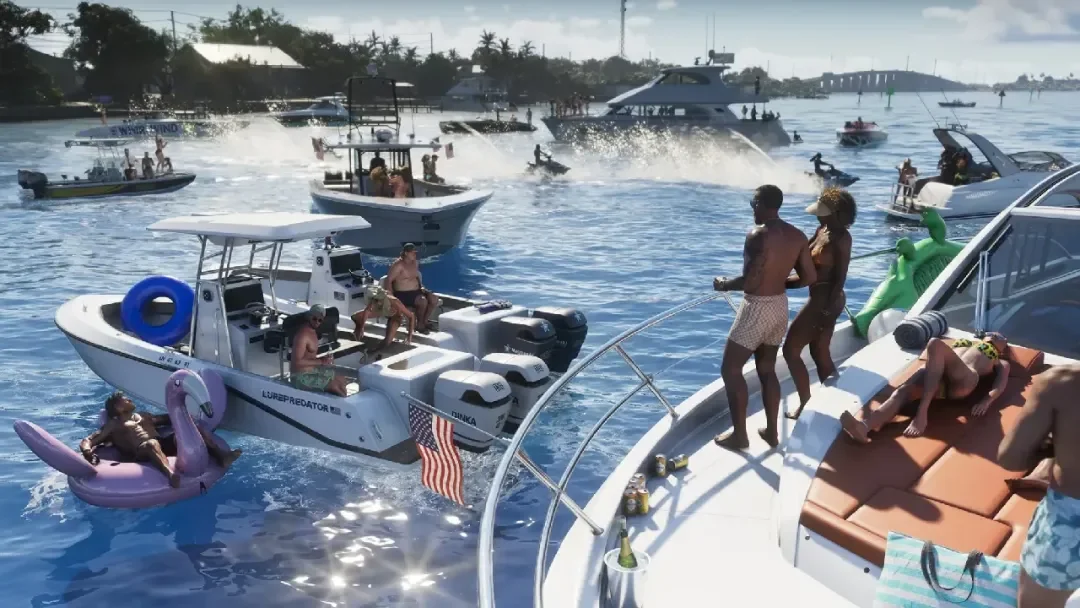
For many Rockstar employees, ending remote work proved more controversial than overtime. In 2024, the company announced that all staff would have to work in their offices five days a week, citing security concerns. Most controversially, GTA 6 developers were barred from accessing Rockstar's servers and tools outside the office. If childcare or another emergency required them to stay home, they had to use leave.
Kolbe said the company planned to revisit the policy after launch, but she doubted it would move to the more common hybrid arrangement of three office days and two days at home. “I don't think the security team would like the idea of the game existing in so many environments,” she said. “If there weren't so many people trying to steal this game, perhaps some of these discussions would be easier.” Despite those precautions, Rockstar suffered another major leak in August, shortly before the Netflix preview aired, prompting internal complaints that the measures had been for nothing.
Over the past few years, the reporter had spoken with dozens of Rockstar employees. Most were positive about improvements to the company's culture, including efforts to reduce crunch and remove managers considered abusive or difficult to work with.
The dismissals and union organizing
That made Rockstar's sudden dismissal of 34 people last year a shock to many. Most belonged to a group trying to form a union. In the subsequent legal dispute, the dismissed employees accused the company of trying to suppress their organizing efforts. Rockstar countered that they had been fired for sharing confidential information on a Discord server with hundreds of members, including former employees. The group denied that allegation.
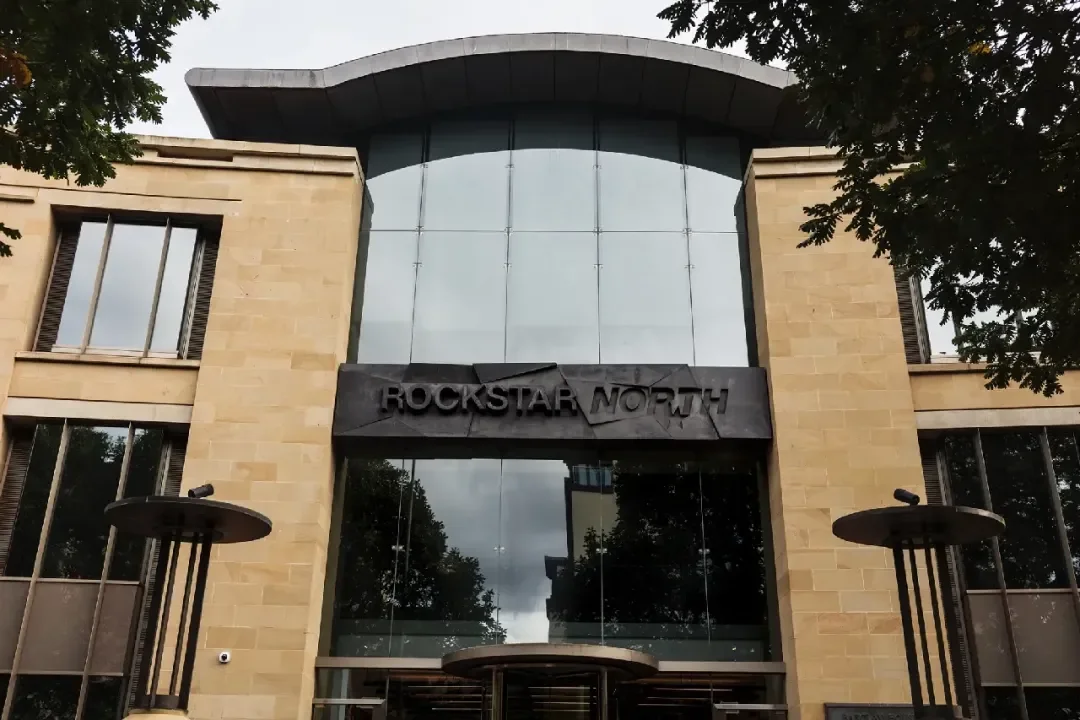
Rockstar North in Edinburgh.
Unionization has been growing across the video-game industry. In recent years, employees at Blizzard Entertainment, Bethesda, and other companies have turned to collective bargaining over what they see as unfair working conditions, including pay disparities and excessive overtime. Employees in Rockstar's UK offices have discussed forming a union for at least eight years.
Rachel Crawford, one of the dismissed employees, said the company had changed for the better in many ways after Red Dead Redemption 2. Employees wanted a seat at the table to ensure those improvements continued. “For deeper change, especially things management may not want to change, you need a broader base and you need power. To get those, you need a union,” she said.
Some former employees are seeking reinstatement or, failing that, compensation and a public acknowledgment that the dismissals were unfair. At the time of the report, the dispute was before an employment tribunal in Glasgow, Scotland, with a ruling expected in late October. “I just want accountability,” Crawford said. “I want colleagues who want their jobs back to be able to return, and I want the people still at Rockstar to know they don't have to live in fear of something similar happening to them.”
Union organizing has continued despite the dismissals. This summer, the group asked Rockstar to recognize the union voluntarily and had been communicating weekly with management. Kolbe described the process positively. “Where the team goes, we go,” she said. “So if they want a union, they'll have a union.”
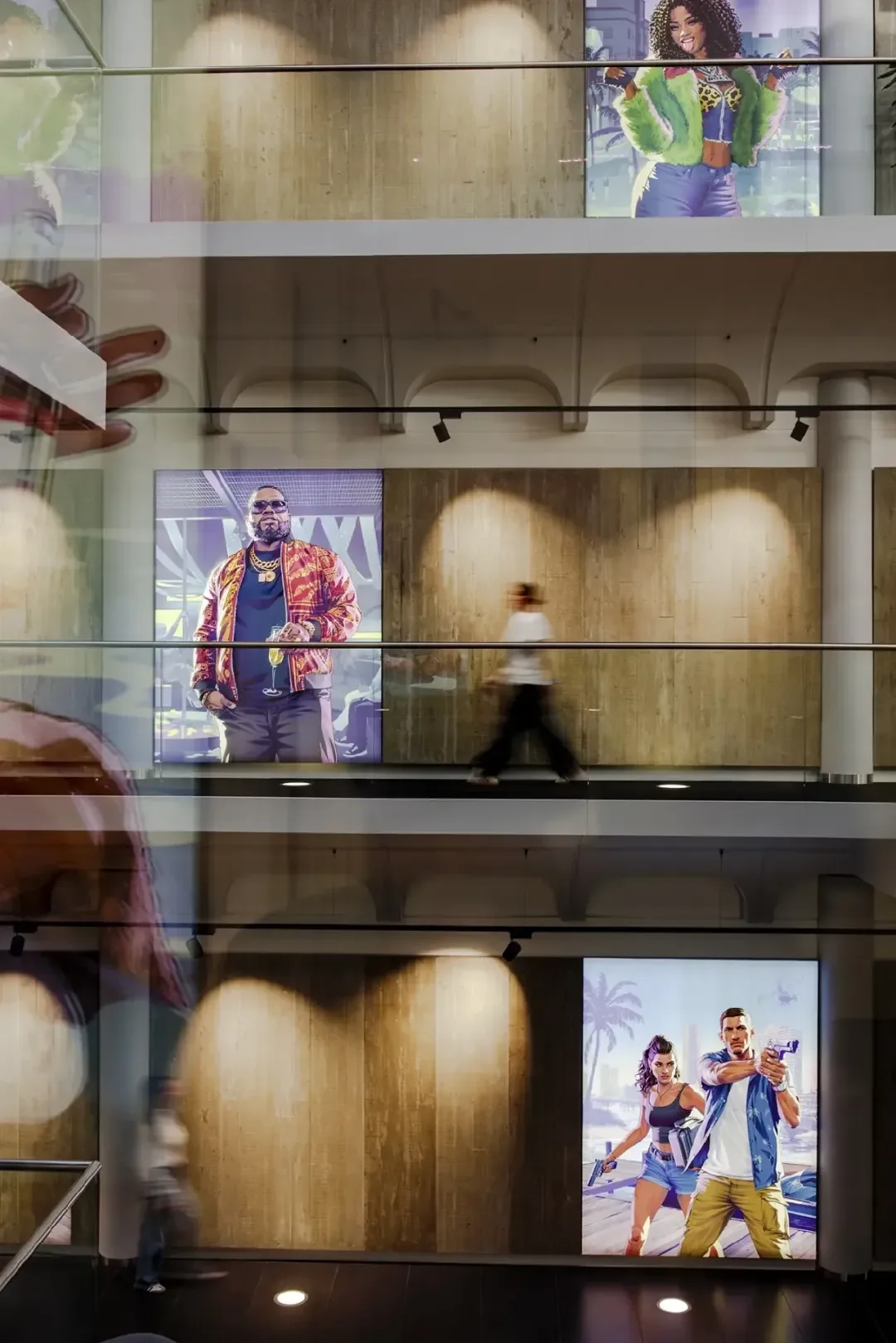
The atrium at Rockstar North.
The trailer, delays, and development schedule
On December 4, 2023, Rockstar released GTA 6's first trailer, introducing its two protagonists and showing Vice City through scenes ranging from extravagant to absurd. It drew 93 million views in 24 hours, setting a YouTube viewing record outside music videos. For Rockstar employees, it was more than an astonishing number; it helped them imagine success.
On a team of thousands, it is easy to see only your own small piece of the work. “The trailer was a huge guiding light for us,” said senior vice president of technology Jonathon Ashcroft. “You might think documents or communication could do that, but nothing aligned us in the same way as that trailer.”
The trailer also promised fans a 2025 release. Rockstar's leaders said they genuinely believed in that date at the time, although developers on the ground were less optimistic. As the deadline approached, it became increasingly unrealistic. “You feel enormous pressure and responsibility to deliver the highest-quality game on the most ambitious schedule possible,” Nelson said. “Then you keep assessing things as you go. When you get close to that target, you have to decide whether it's actually achievable.”
The development team approached Kolbe to say a delay appeared unavoidable. She called Take-Two chief executive Strauss Zelnick, initially postponing the game to May 2026. A few months later, she had to call again to request a second delay, to November, taking Zelnick by surprise.
“I remember him saying something like, ‘You're joking, right? Please tell me you're joking,’” she recalled. “But when we explained why, he understood. I think we're really lucky that he's so rational. A lot of people might say, ‘You'd better find a way to ship it.’ We're very, very fortunate not to have been in that position, because a lot of teams are, and we've all played games that were rushed out. It isn't good.” Zelnick said that if a delay allows a game to “reach the best level of completion it's capable of,” the extra time and money are usually worthwhile.
November 19 does look likely to be GTA 6's release date, although in video games nothing is completely certain until the game is running on your machine. Management said the delays were not caused by a single major upheaval. There were simply too many moving parts, and development did not progress as planned. “A game never becomes completely fixed,” Hooker said. “We've never had an exact blueprint. Even in recent months, we've still been changing things.”
For example, after assessing the number of NPCs that needed writing and animation to meet their ambitions, the team realized it could not complete the work. “The projections they gave us were frightening,” Nelson said. Rockstar chose to put money behind the problem, quickly assembling a Los Angeles studio with numerous writers, producers, and directors dedicated to creating NPCs. “We only decided to change the date when it became clear that some areas wouldn't be finished on schedule,” Hooker said. “We could have met that schedule, but it wouldn't have been the game we wanted to make.”
Two hours away from the intended mission
For some on the team, the delays were a benefit. Decisions began to stick, and the game took shape. Each internal review brought progress and revealed the effects of choices made years earlier. Late in development, Hooker was playing a build and heading toward a mission when he hit another car. The other driver rammed him back and shouted abuse. Both pulled over to “sort it out,” but Hooker, low on health, decided to look for healing items in a nearby convenience store.
On the way, another NPC started insulting him, setting off a fight. Finding the store's checkout unattended, Hooker robbed it. The police arrived, and he fled, abandoned his car, and searched for another. He stole a valuable vehicle to sell, nearly got hit by a car blasting loud music, and decided to follow it. Then he spotted a nearby yard, scouted it, and discovered more things to steal. Selling them to a fence led to another potential job.
Two hours later, Hooker was still far from his original mission. “I remember the sheer fun of it,” he said. “Everyone came out of the review encouraged by that experience. Even with all the worries and doubts we still had, people were thinking, ‘If we stick with this, we've got something very special.’”
Expansion while the industry contracts
The video-game industry is in a difficult position. Development budgets keep growing while sales stagnate, and investors worldwide are retreating from large projects backed during the era of low interest rates. Tens of thousands of developers have been laid off since 2023, affecting not only struggling companies but also major publishers, including Take-Two. Meanwhile, AI-driven shortages of memory chips have pushed up hardware prices. For the first time, Xbox and PlayStation consoles cost substantially more than when they launched years earlier.
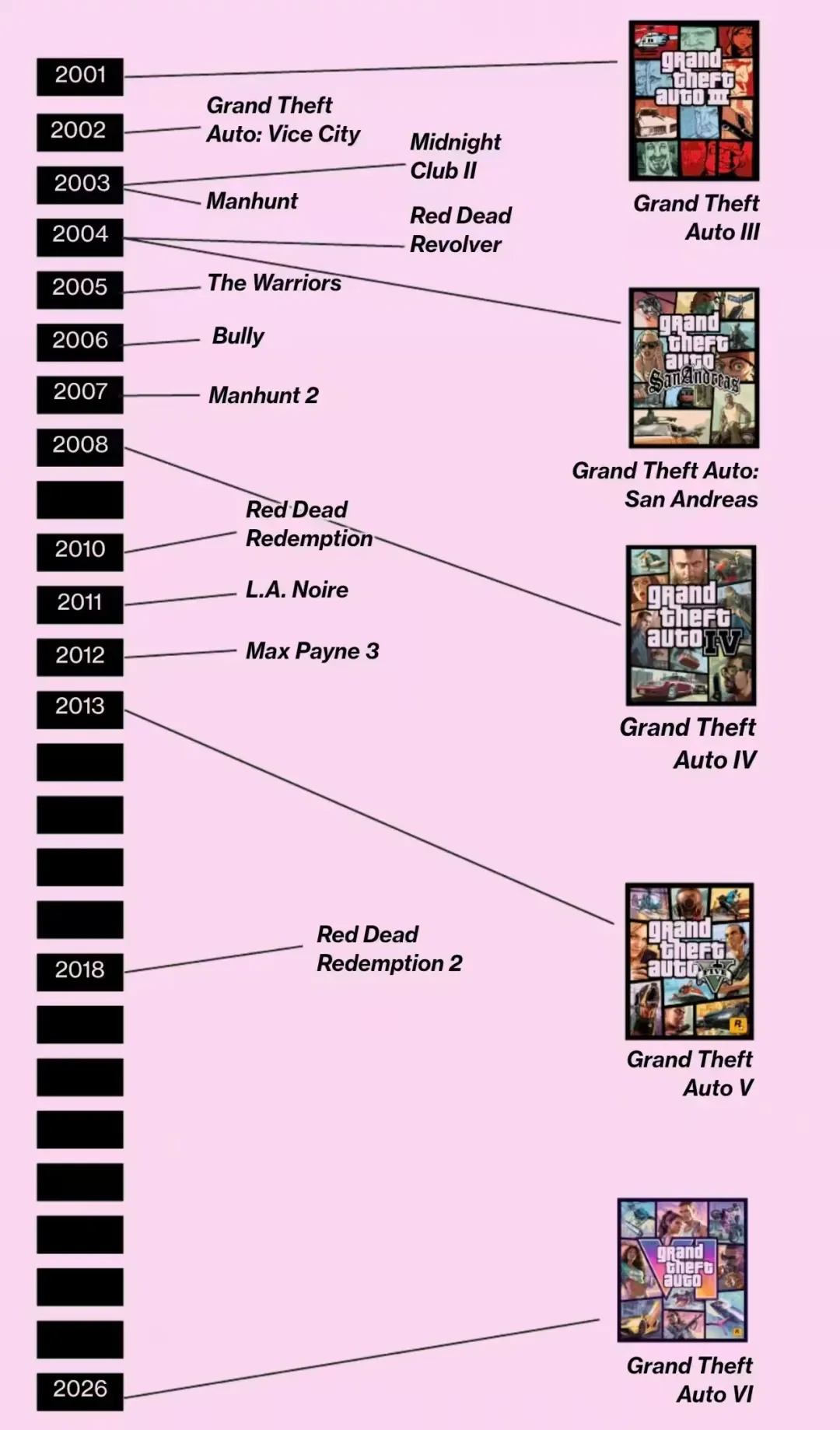
Those conditions have forced many game companies to rethink how they operate, looking to raise revenue and cut costs. That makes GTA 6's launch particularly unusual.
While other studios shrink, Rockstar is larger than ever. While other publishers try to move development out of the expensive US, Rockstar has opened a new Los Angeles office. It has also expanded considerably in India. As other companies struggle to keep budgets below $500 million, the next GTA could cost more than twice that amount. More remarkably, the report considers it almost certain to recoup the investment and earn much more.
Alongside a budget that may have limits but can appear endless from outside, Rockstar has another secret weapon: a team that has worked together for decades.
Foundations for what comes next
Despite GTA 6's early difficulties, Nelson, Garbut, and Hooker all said they believed they would succeed because they have spent years making games and know how to get them to market. They see this game as the culmination of a lifetime's experience. “The past 30 years have been practice for getting to this point,” Garbut said. “The team, and each of us individually, have been doing this for so long that we've developed a shared understanding, shared knowledge, and shortcuts for answering questions.”
Rockstar's leaders said GTA 6 is another step in that process. They expect to build new content more quickly on what they have made, rather than take another eight years. “The engine, tools, and team we've built on this project will let us get things done faster,” Hooker said. “I'm confident we can build on that, expand more horizontally instead of constantly building upward, and make more compelling content.”
One comparison is the transition from GTA 3 to GTA: Vice City. The latter built on existing work and took less than a year to develop. “We've fundamentally changed a lot of things on this project,” Garbut said. “But those foundations are in place now. We won't keep tearing them up and starting again.”
Further reading: Jason Schreier / Bloomberg feature.
Related reading: Vice City guide · GTA 6 leaks